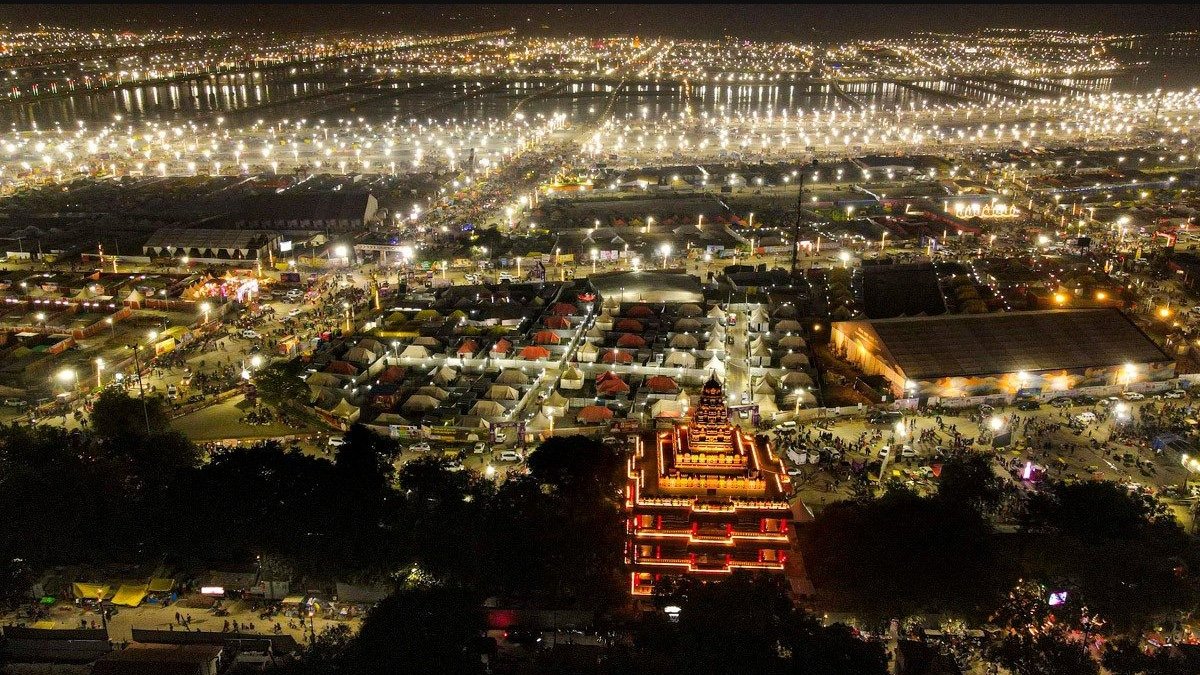
Maha Kumbh 2025 wasn’t just a massive religious gathering—it was a real-world lesson in how quickly travel demand can shift.
Over 66 crore visitors travelled to Prayagraj during the 45-day event, creating extraordinary demand for transport, accommodation and tourism services around the destination.
But while Prayagraj experienced unprecedented footfall, several traditional leisure markets experienced the opposite effect. Rajasthan, Kerala, Gujarat and other leisure destinations saw travellers redirect their plans towards Prayagraj.
According to Horwath HTL’s India Hotel Market Review 2025, the Maha Kumbh was one of the factors that diverted leisure demand away from other markets.
The bigger problem: dependence on one customer segment
For many hotels and resorts, the challenge wasn’t simply lower leisure demand. It was the absence of an alternative revenue pipeline.
Properties could have prepared for softer demand with:
- Corporate and MICE business
- Destination weddings and group events
- Local and regional packages
- Long-stay and workation offers
- Wellness and experiential travel
- Tour-operator and group partnerships
- Targeted promotional campaigns
Instead, properties heavily dependent on leisure demand were left waiting for the market to recover.
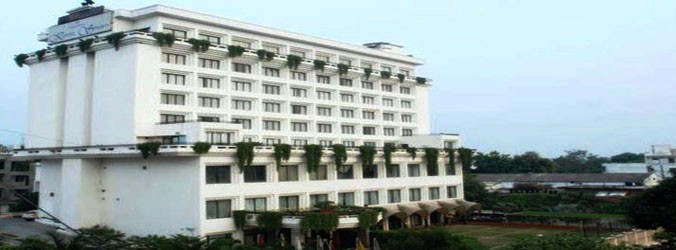
Suggested properties for your stay in Prayagraj / Allahabad:


The real lesson isn’t Maha Kumbh
Maha Kumbh demonstrated that travel demand doesn’t always disappear—it can move.
A major event, weather disruption, economic change, geopolitical situation or new destination trend can redirect travellers almost overnight.
For India’s hospitality industry, the answer is therefore not simply better seasonal forecasting. It is demand diversification.
Hotels need a plan for what happens when their primary customer segment slows down:
Leisure → Corporate → MICE → Weddings → Groups → Local demand
The properties that build these alternative channels before a disruption are better positioned to protect occupancy and revenue.
Because in hospitality, disruptions aren’t exceptions. They’re part of the calendar.