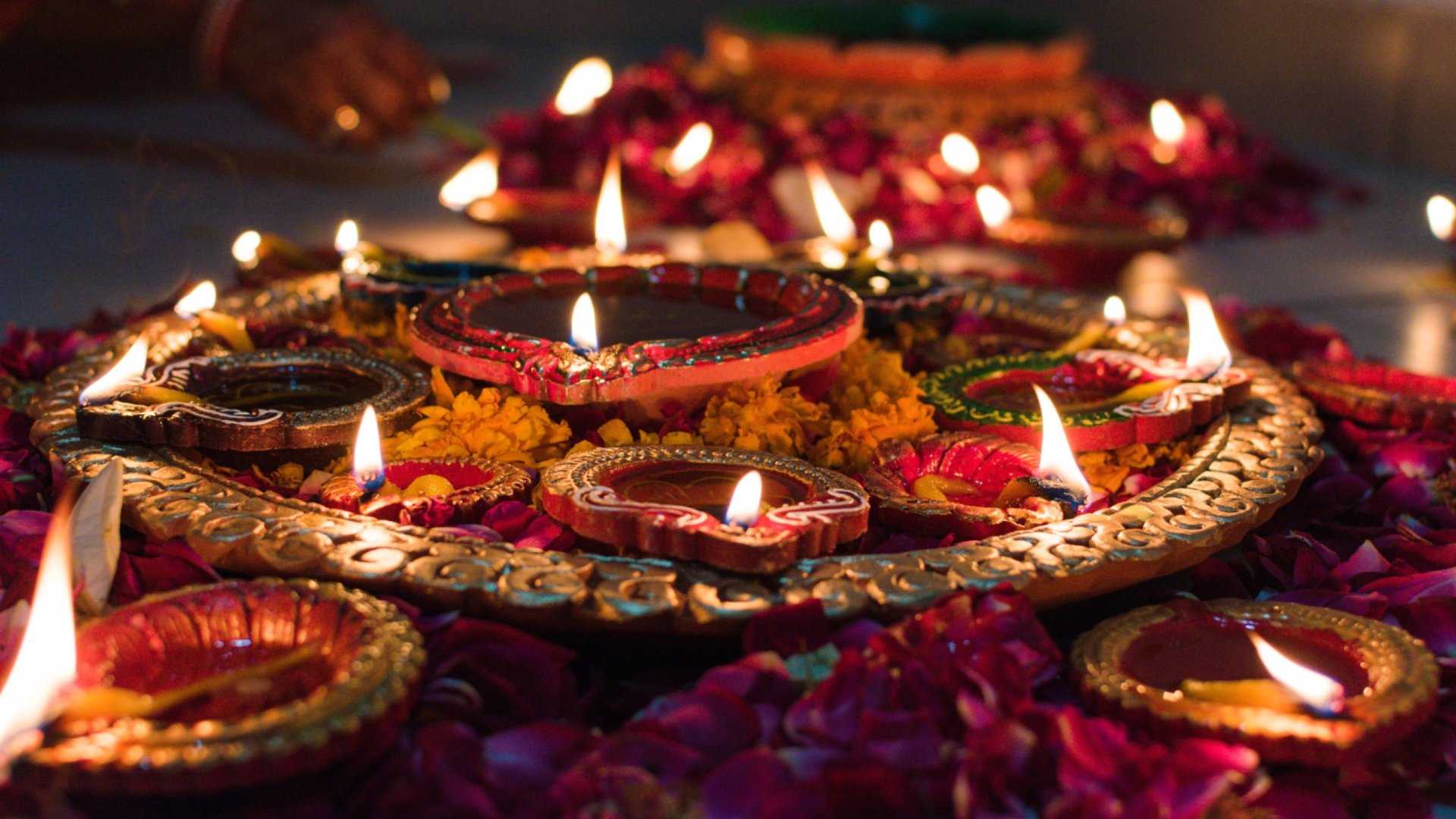
Diwali is the biggest and brightest festival in India. Most people know it as the festival of lights. They know about the clay lamps, the beautiful rangoli patterns on the floor, the delicious sweets, and the loud fireworks. But there is a whole different side to Diwali that does not get talked about much. It is the story of how millions of people move across the country, how different regions celebrate completely different stories, and how a new trend is changing the way people travel during this time.
Every year, when autumn arrives, India prepares for a massive shift. Diwali is not just a one-day holiday; it is a season that completely changes how people move, travel, and think about home.
Every year, when autumn arrives, India prepares for a massive shift. Diwali is not just a one-day holiday; it is a season that completely changes how people move, travel, and think about home.
The Great Indian Travel Rush
During Diwali, India experiences one of the largest movements of people in the whole world. This creates a very interesting situation because people start traveling for two completely opposite reasons.
First, there is the spiritual journey home. For millions of people who live in big cities for work or study, Diwali is the ultimate time to return to their hometowns. Months in advance, train tickets sell out within seconds. Flight prices skyrocket, and highways get packed with cars and buses. People endure long, tiring journeys just to spend a few days with their parents, grandparents, and childhood friends. This creates a massive boom in travel to smaller towns and villages. These quiet places suddenly come alive with laughter, lights, and crowded local markets.
At the very same time, a completely different travel trend is growing. Many people who already live in big cities choose to run away from the festival. Big cities like Delhi and Mumbai become incredibly loud and smoky because of firecrackers. For elderly people, pets, and anyone who loves peace, the festival can become overwhelming. Therefore, thousands of families now use the long Diwali holidays to escape. They book trips to quiet beaches in Goa, peaceful hills in Himachal Pradesh, or wellness resorts where firecrackers are banned.
Because of this, Diwali has become the busiest time for the Indian tourism industry. Hotels are full, airlines are busy, and local tour guides make a large part of their yearly income during this single week.
One Festival, Many Stories.
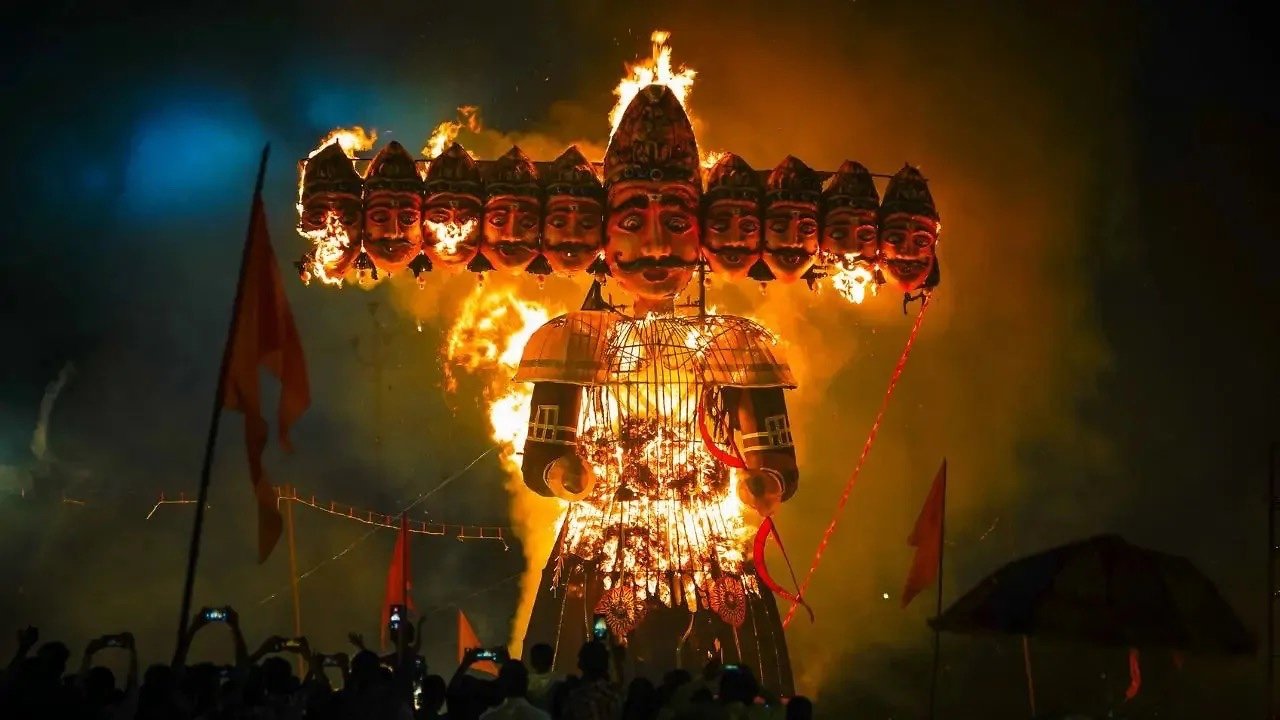
If you travel across India during Diwali, you might feel like you are visiting different countries. Even though everyone lights lamps, the reasons why they celebrate are completely different depending on where you go. In North India, especially in places like Uttar Pradesh, the festival is all about the historic story of the Ramayana. People celebrate the return of Lord Rama to his kingdom of Ayodhya after fourteen years in exile. To welcome him, the citizens lit rows of clay lamps. Today, if you visit Ayodhya or Varanasi during this time, you will see millions of lamps burning along the river banks. It looks like the starry night sky has laid down on the earth.
If you travel to West India, to states like Gujarat and Rajasthan, Diwali marks the end of the traditional business year. For business communities, the next day is the New Year. Here, people focus heavily on welcoming Goddess Lakshmi, the goddess of wealth. They clean their houses, paint their shops, and leave their doors open at night so blessings can enter. In the city of Jaipur, the local markets compete with each other to create the most beautiful light displays. The entire city glows in bright pink and golden lights, drawing tourists from all over the world.
In South India, the celebration changes completely. In states like Tamil Nadu and Karnataka, the festival is called Deepavali, and it actually happens a day earlier than in the north. The story here is about Lord Krishna defeating a cruel demon named Narakasura. The celebration starts very early in the morning, around 4:00 AM, while it is still dark. People take a traditional bath with warm oil, which feels as holy as bathing in a sacred river. Then, they eat a special sweet herbal medicine called Deepavali Lehyam to keep their bodies healthy before they wear new clothes and burst crackers.
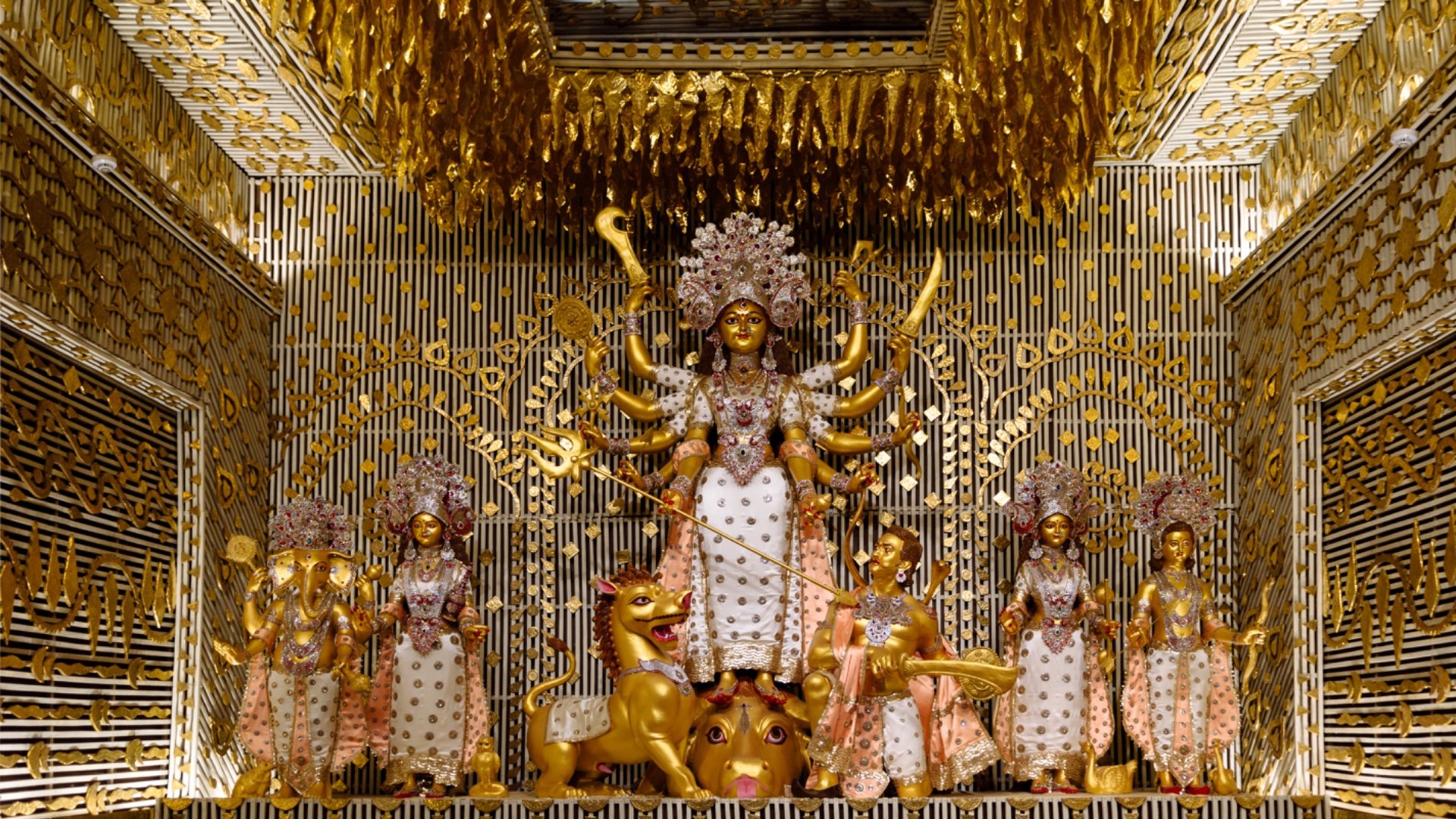
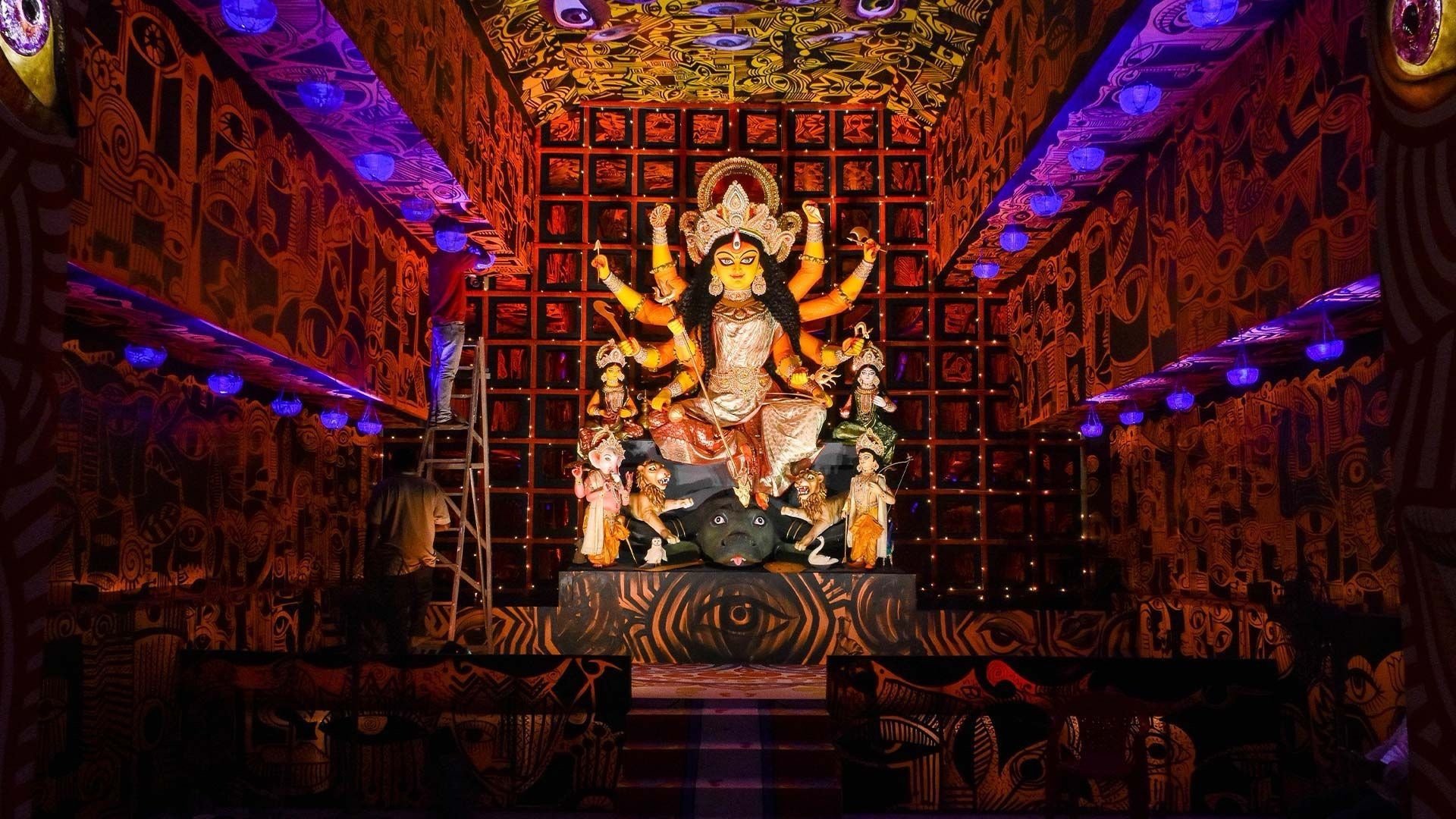
In East India, particularly in West Bengal, the festival takes on a dramatic and powerful form. Instead of Lakshmi or Rama, people worship Goddess Kali, who represents strength and the destruction of evil. Grand temporary temples called pandals are built in the streets. Inside, large statues of the goddess are decorated. People stay up all night visiting these pandals, eating traditional food, and watching cultural shows.
The Rise of the Silent Diwali.
But the most interesting thing happening right now is a brand-new travel trend that no one used to think about. It is called Dark Sky Tourism or the Silent Diwali.
For decades, the standard rule of Diwali was simple: make it as bright and loud as possible. But today, the modern world is already very loud and crowded. For many urban Indians, true luxury is no longer a fancy party or a big light show. True luxury is silence.
This has created a new group of travelers who seek out darkness. During Diwali week, they pack their bags and head to the most remote corners of India. They go to the high-altitude deserts of Ladakh, the isolated valleys of Spiti, or deep inside the forest reserves of Madhya Pradesh.
In these places, there are no artificial neon lights, no loud music, and no firecracker smoke. When night falls on Diwali, these travelers sit outside in the crisp autumn air. Instead of watching fireworks on earth, they look up to watch the natural fireworks of the universe—millions of bright stars, planets, and the glowing band of the Milky Way galaxy.
This beautiful shift shows how the meaning of the festival is evolving. Long ago, lighting a lamp was a way to create light in a dark world. Today, escaping to a dark, quiet place is a way to find peace in a noisy world. Both paths are trying to achieve the exact same thing: a feeling of inner happiness and a connection to something larger than ourselves.
Whether someone is fighting for a seat on a crowded train to see their mother, relaxing on a sunny beach, watching a grand puja in Kolkata, or staring at the stars in a silent mountain village, Diwali remains a time of magic. It is a festival that keeps changing, showing that the true light of Diwali can be found in many different ways.