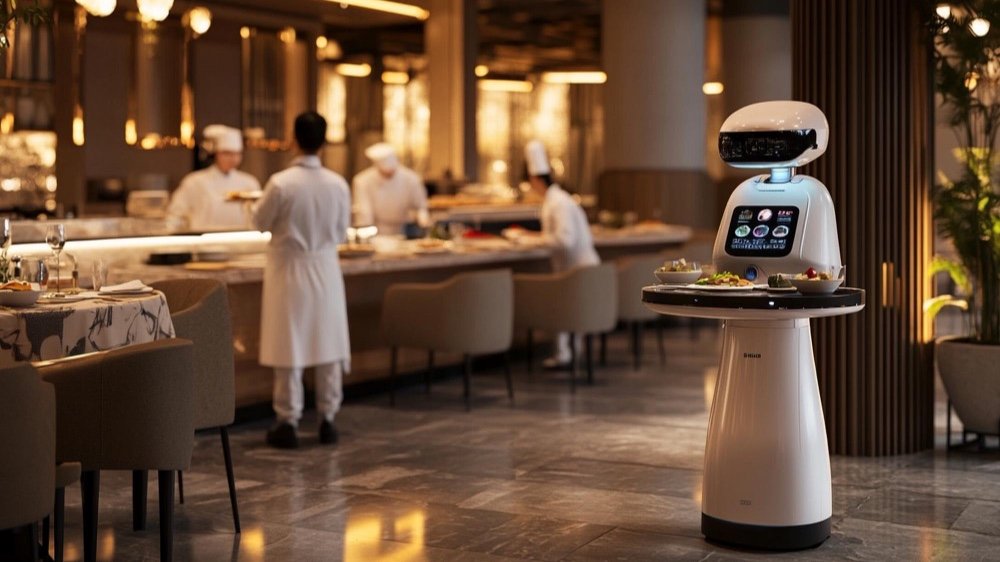
Artificial intelligence is beginning to change how hotels manage their daily operations. From handling routine guest enquiries to preparing reports and organising staff schedules, technology is taking on tasks that once required considerable employee time.
But does this mean fewer people will be needed in hotels? Not necessarily. The bigger change could be in the kind of work employees do and the skills hotels expect from them.
A report released by the American Hotel & Lodging Association (AHLA) with technology company Actabl on 4 November 2026 offers an interesting look at this shift. According to the report, 90% of respondents said AI helped them complete routine work faster, while 38% identified operational efficiency as its biggest area of value. Although 84% said AI had improved their own work, only 15% reported improvements in frontline hotel work.
These findings are from an international industry survey, not a measurement of AI adoption across Indian hotels. However, they highlight an important opportunity for the hospitality sector: using technology to reduce administrative work and give employees more time for guests.
How AI Could Change Different Hotel Jobs?
Consider the front desk. AI tools could help answer common questions, prepare check-in information and assist with guest requests. Employees would still be important when a guest has a complaint, needs special assistance or faces an unexpected problem.
Reservation teams could use AI to draft enquiry responses, organise booking information and summarise guest preferences. Housekeeping managers could use digital systems to plan room-cleaning schedules based on occupancy and checkout information. Restaurant teams could receive help with demand forecasting and inventory planning, while hotel managers could use AI-assisted reports to review operations and staffing requirements.
These are potential applications rather than changes that have already taken place in every hotel. Their success will depend on the systems available, employee training and the quality of the information being used.
The Skills That May Become More Valuable
As routine tasks become easier to automate, employees will need to develop skills that technology cannot reliably provide on its own. Communication, problem-solving, guest relations, decision-making and the ability to handle difficult situations will remain important.
Digital confidence will also matter. Employees do not need to become software developers, but they should understand how to use hotel management systems, work with AI-assisted tools, check information for accuracy and protect guest data.
This is particularly relevant in India. A 2026 study by FHRAI and Educational Testing Service examined the English communication requirements of hospitality employees across front office, food and beverage, and housekeeping roles. It highlighted the importance of role-specific communication skills in everyday hotel operations. As more digital tools enter the workplace, the ability to communicate clearly with both guests and technology systems will become increasingly useful.
What Should Hotel Employees Do Now?
Employees can start by learning the digital systems already used in their departments. They can practise writing clear guest responses, understand basic data and reports, learn how AI tools work and develop confidence in handling technology-assisted tasks. Managers should also make training available rather than expecting employees to adapt without support.
Hotel owners and management teams have a responsibility here too. Introducing new technology without explaining how it affects employees can create confusion and resistance. Proper training, clear processes and human supervision are necessary, especially when guest information, payments and service decisions are involved.
The Human Side of Hospitality Still Matters.
A guest may appreciate a quick automated response, but a difficult complaint, a special occasion or an unexpected travel problem often requires patience, understanding and personal attention.
The hotels that use AI effectively will be those that give employees better tools without losing the human side of service. For people building a career in hospitality, learning to work alongside technology may become just as important as learning the fundamentals of hotel operations.
Explore hotels and hospitality properties across India through Venue.Events.