India’s tourism market is moving beyond the usual big destinations. More travellers and event planners are looking at domestic weddings, spiritual trips, MICE events and smaller nature-led destinations, creating new opportunities for hotels, resorts and event venues.
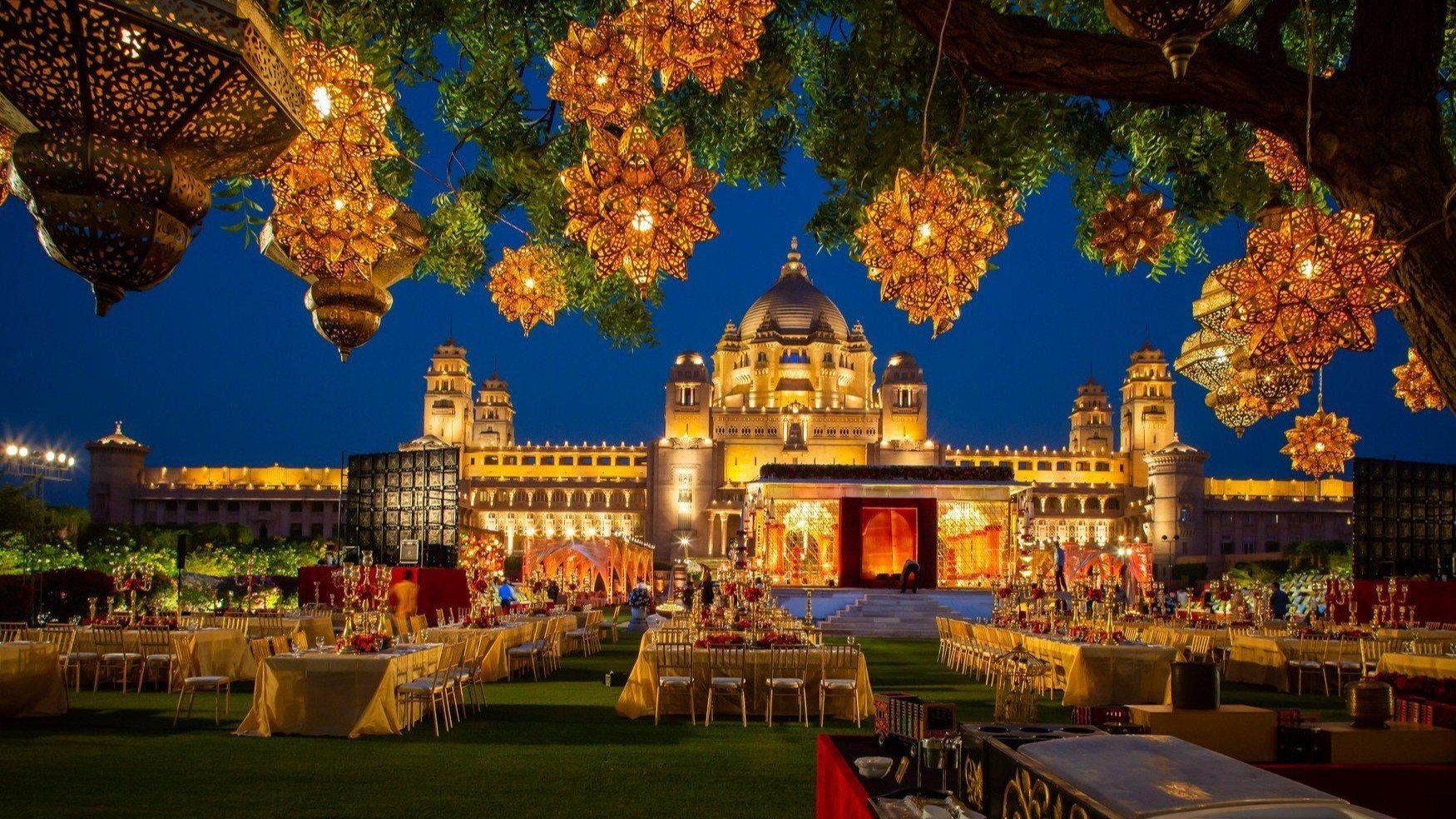
The wedding market is one clear example. Prime Minister Narendra Modi has repeatedly encouraged people to choose Indian locations for weddings through the “Wed in India” message. At the same time, wedding planners have reported growing interest in destinations outside the usual Jaipur, Udaipur and Goa circuit, including Kodagu, Chikkamagaluru, Kumarakom, Wayanad and Rishikesh.
This change is also visible in Andhra Pradesh. The state’s tourism policy includes plans to develop destination weddings and MICE tourism, while the latest plan for Tirupati aims to build the city into a larger wedding destination alongside its existing pilgrimage economy. The plan includes accommodation, transport, catering, decoration, event management and other wedding services.
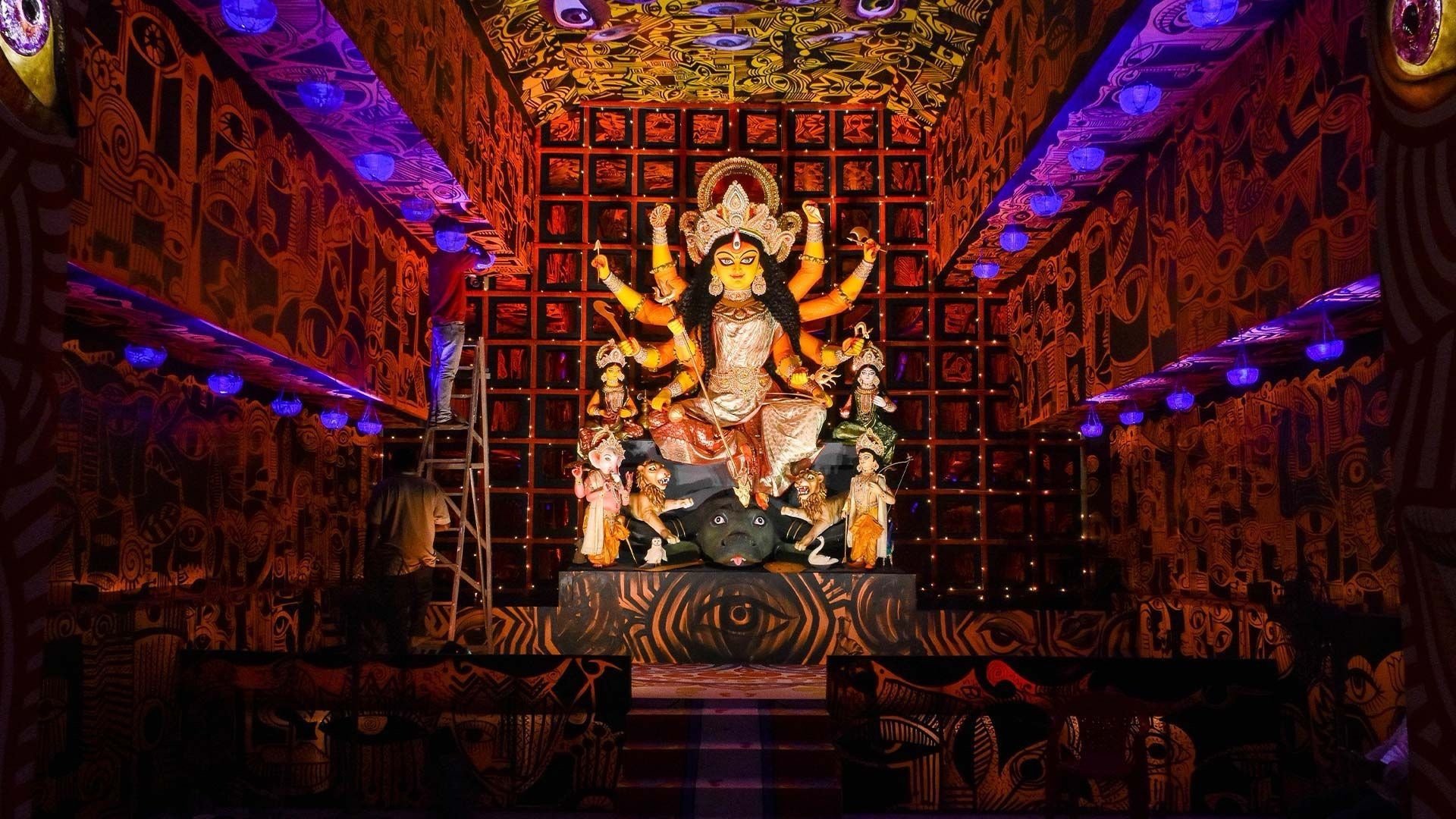
Spiritual tourism is creating another area of growth. Sterling Varanasi, a new 33-room property near the Sankat Mochan Hanuman Temple, is an example of hotel development around major pilgrimage destinations. The property also includes an event space, showing how accommodation and event facilities can develop together in a tourism hub.
MICE is growing as well. The Ministry of Tourism has been promoting City MICE Promotion Bureaus and has a national strategy for meetings, incentives, conferences and exhibitions. New convention and event infrastructure is also being developed in different parts of the country.
A recent CBRE report points to a wider change in tourism investment. Along with traditional hotels, investors are looking at pilgrimage accommodation, convention centres, destination wedding resorts, wellness properties, wildlife lodges, rural stays and other specialised tourism assets. Better roads, rail links and regional connectivity are helping bring more destinations into the tourism network.
This means India’s venue market is becoming more diverse. A wedding may now take place beside a lake, in the hills or near a pilgrimage town. A corporate event can be planned around a resort destination rather than only in a large city.
For travellers and event planners, that means more destinations and more types of venues to choose from. For hotels and local businesses, it creates new opportunities to serve visitors beyond the traditional tourism centres.